Quick answer: The five most common pool problems are chemical imbalance, algae growth, filtration issues, equipment failures, and debris buildup. Catching each one early keeps a small, cheap fix from turning into a costly repair.
A pool should be the easy part of summer in Fairview, but small problems have a way of sneaking up, especially out here on Fairview’s wooded, estate-sized lots where heat, hard water, and storms all work against your water. Whether your pool sits in Heritage Ranch, Oakwood Estates, Chamberlain Place, or on acreage off Stacy Road and Country Club Road, the most common issues give you warning signs long before they become expensive. Here is how to spot each one early and what to do about it.
Why Fairview Pools See These Problems
Fairview is estate country, and that shapes the pool problems homeowners run into. The town’s big, wooded, often shaded lots drop leaves, pollen, and organic debris that feed algae and clog filters. Many properties sit on hard North Texas water, and some estates run on well water that is even harder and higher in minerals and iron, which scales tile and equipment and stains surfaces. Add larger custom pools with spas and water features, and it is easy to see why staying ahead of these five issues matters so much for a Fairview pool.
The Five Most Common Pool Problems in Fairview
1. Chemical Imbalance
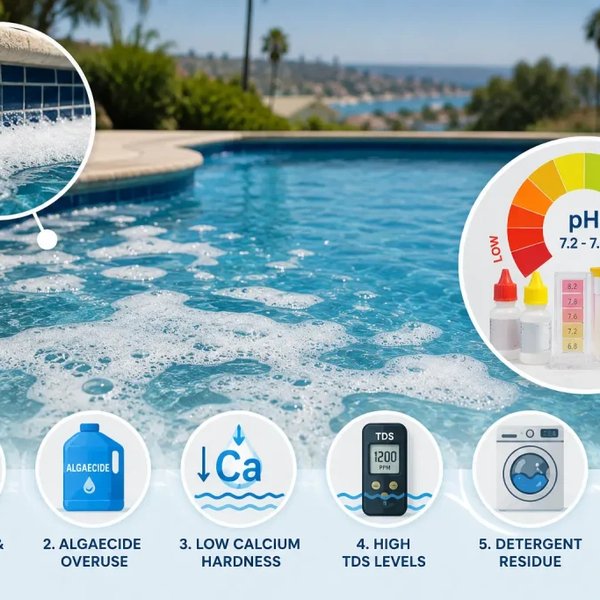
 Signs: cloudy water, itchy skin or stinging eyes, or a strong chlorine smell.
 Fix: Test your water at least once a week and keep it in range: pH between 7.2 and 7.8, total alkalinity 80 to 120 ppm, and chlorine 1 to 3 ppm. Fairview’s hard water, and the well water on some estates, pushes chemistry around faster, so re-test after a few hours. Balanced water protects both swimmers and your equipment. If you would rather not chase chemistry, our weekly pool service handles it every visit.
2. Algae Growth
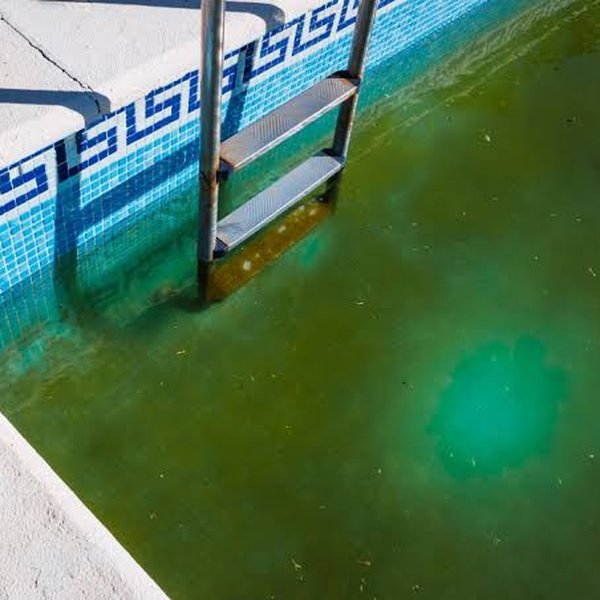
Signs: green, yellow, or black patches on walls and steps, or a slick feel underfoot.
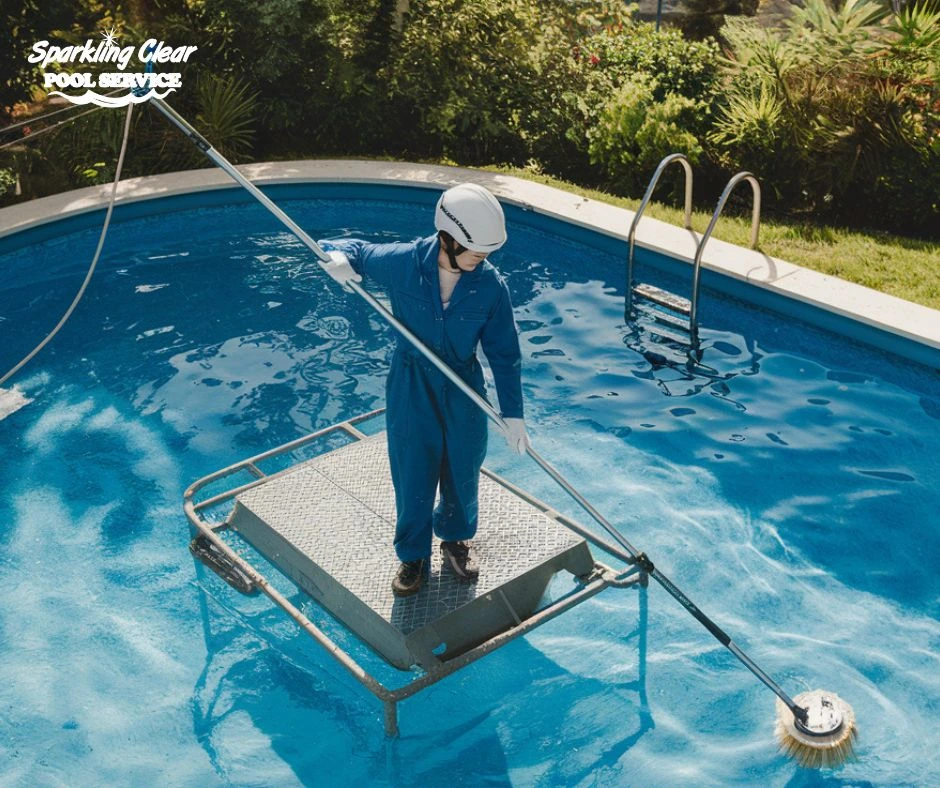
Fix: Brush the affected surfaces, shock the pool to kill the spores, and run the filter to clear it out. On Fairview’s shaded, tree-heavy lots, leaves and organic runoff feed algae, and in our Texas heat it can bloom in a day or two once chlorine drops, so act fast. If it has taken over, our green to clean service brings a swamp-green pool back to clear.
3. Filtration Issues
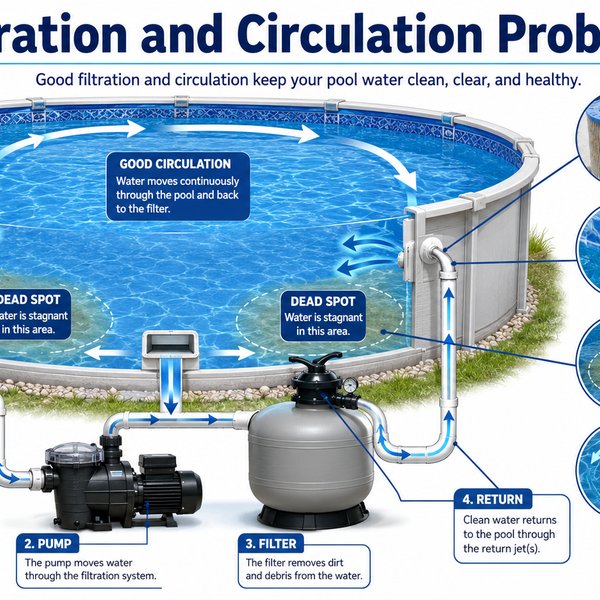
Signs: cloudy or hazy water even with balanced chemistry, or weak return jets.
Fix: Check and clean your filter on the manufacturer’s schedule, which matters even more on Fairview’s leaf-heavy acreage where filters work overtime. A quick filter cleaning often clears it up, but a cracked grid or torn cartridge needs a filter repair. Good filtration is what keeps the whole pool clear.
4. Equipment Failures
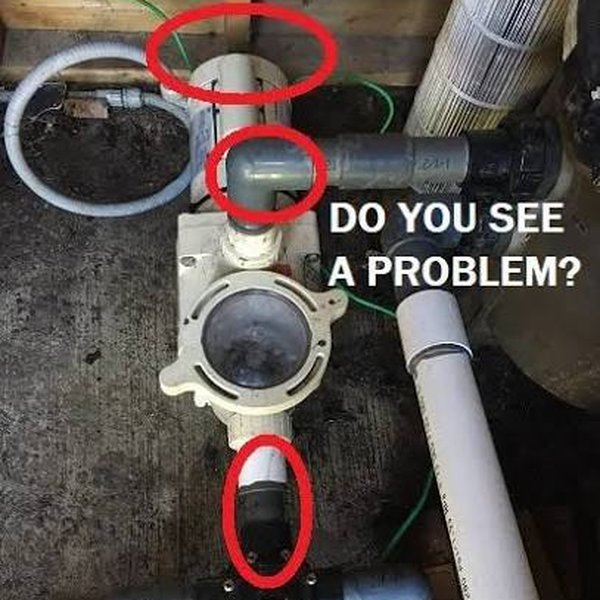
Signs: a noisy or humming pump, a heater that will not fire, or lights that have gone out.
Fix: Give your equipment a look regularly and act on the early warnings. Larger Fairview estate pools push their pumps and heaters hard, and a whining motor or weak flow usually means a pump repair is due before it fails completely. Scheduling professional pool repairs at the first sign of trouble is far cheaper than an emergency replacement.
5. Debris Buildup
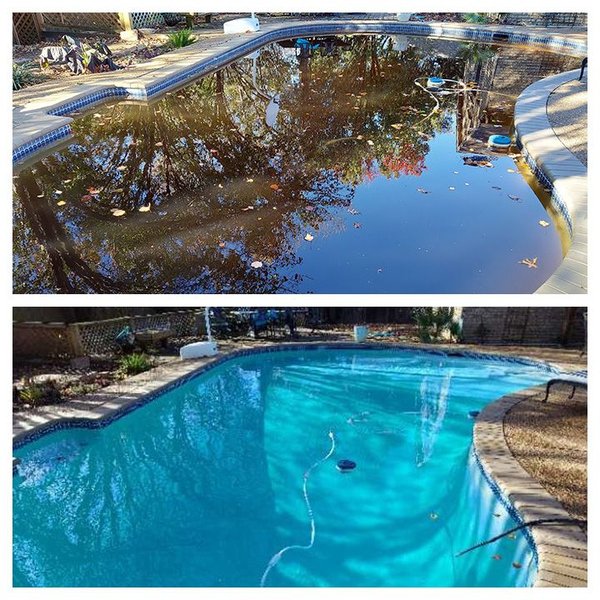
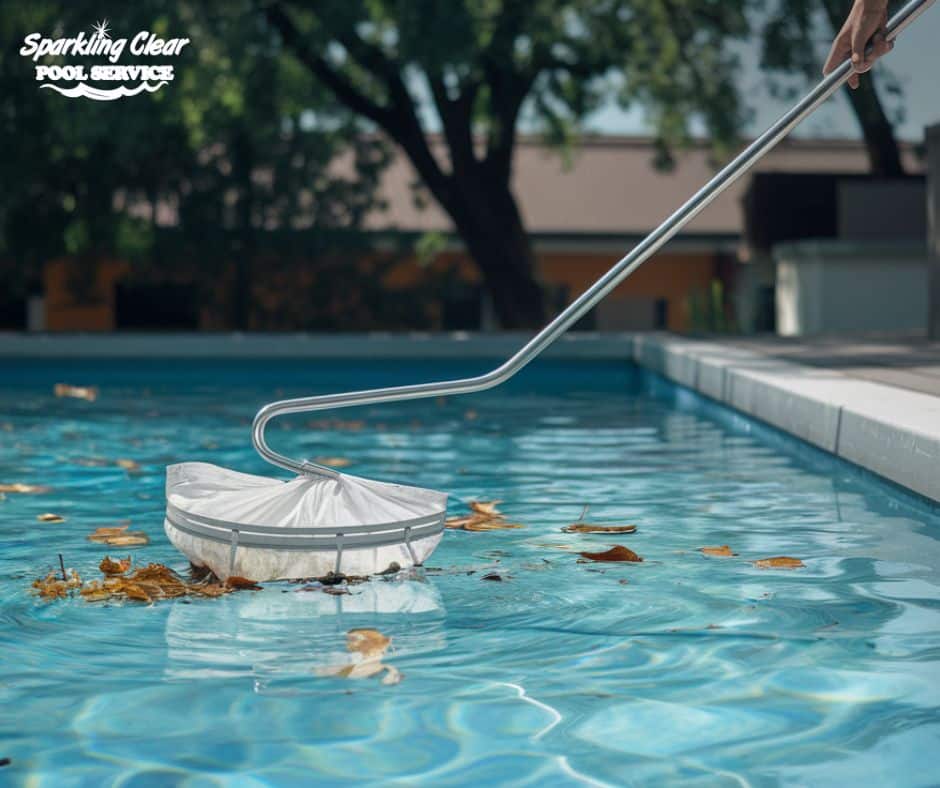
Signs: leaves and bugs on the surface, dirt on the floor, or a full skimmer basket.
Fix: Skim the surface daily, empty the skimmer basket, and vacuum the floor weekly so debris never gets a chance to stain or feed algae. On Fairview’s wooded lots this is a near-daily job in fall, and consistent surface care also takes strain off your pump and filter.
When to Call a Pro in Fairview
Some problems are quick DIY fixes, but call a professional if the water stays cloudy or green after treatment, your equipment is making new noises or leaking, or you simply do not have time to stay ahead of it. Catching these early is the whole game, and a good pool tech spots trouble before you would. See how we help on our Fairview pool service page.
Common Pool Problem FAQs
What are the most common pool problems?
The five most common are chemical imbalance, algae growth, filtration issues, equipment failures, and debris buildup. All five are cheaper to prevent than to repair, and all show early warning signs if you know what to look for.
Why is my Fairview pool water cloudy?
Cloudy water usually points to unbalanced chemistry or a filtration problem. Test and rebalance your pH, alkalinity, and chlorine first, then check and clean your filter if it does not clear up. On Fairview’s estate lots with heavy tree cover, filters work overtime and clog faster, so they need regular attention.
Why does my Fairview pool keep turning green?
Green water is algae, which blooms fast when chlorine drops in the Texas heat. Fairview’s wooded, shaded acreage drops leaves and organic debris that feed it. Brush, shock, and filter to clear it, and keep chlorine steady to stop it coming back. A green to clean service can restore a badly neglected pool.
How often should I service my pool in Fairview?
Weekly during swim season for most Fairview pools, and it matters even more on wooded acreage that sheds leaves and debris all season. Weekly visits keep the water balanced, skim debris before it stains, and catch equipment issues early.
Does Fairview’s hard or well water cause pool problems?
It can. Fairview’s hard water, and the harder well water some estates run on, is high in minerals that scale tile, surfaces, and salt cells and can stain plaster. Testing for it and adjusting your chemistry and filtration keeps buildup from shortening the life of your equipment.
Stay Ahead of Pool Problems in Fairview with Us
The best way to avoid costly repairs is to never let small problems grow, and that is exactly what we do. As your local Fairview pool service team, serving Collin County and nearby cities, we keep your water balanced, your equipment healthy, and your pool swim-ready all season. Contact us or call (469) 884-4022 for a free quote.