The plaster is the finish that gives your pool its look and feel, and choosing it is a big decision if you are building or resurfacing. It shapes the color of your water, how the surface feels underfoot, and how long it lasts before it needs attention. Here is a clear comparison of the most common plaster finishes, with the pros and cons of each, plus how to keep whatever finish you have looking new for years.
Quick answer: The main pool plaster options are standard white (affordable, shorter lifespan), quartz aggregate (durable and colorful), pebble (natural look, longest lasting), and polished aggregate (smooth and luxurious). A pool builder or resurfacing contractor installs the finish. Once it is in, balanced water chemistry and regular brushing are what keep it smooth and stain-free, and that is the part we handle.
1. Standard White Plaster
The classic choice for decades, white plaster gives pools a clean, bright, timeless look and a smooth surface.
Pros: budget-friendly, comfortable smooth texture, and a bright finish that makes the water look crisp and clear.
Cons: less durable than premium finishes, prone to staining and discoloration over time, and the surface can roughen as it ages.
2. Quartz Aggregate Plaster
Quartz plaster blends white cement with quartz for a tougher, better-looking finish that comes in a range of colors.
Pros: stronger and more wear-resistant than standard plaster, more stain-resistant thanks to the non-porous quartz, and plenty of color options.
Cons: costs more than white plaster, and it needs professional installation to look its best.
3. Pebble Finish Plaster
Pebble finishes mix cement with natural stone for a textured, highly durable, lagoon-style surface.
Pros: a long lifespan, often 15 to 20 years, strong resistance to chemicals and staining, and a distinctive natural look.
Cons: pricier than white and quartz, and the rougher texture is not for everyone.
4. Polished Aggregate Plaster
Polished finishes use fine materials like marble or granite, smoothed into a sleek, reflective surface with a luxury feel.
Pros: extremely durable, a smooth comfortable texture, and an elegant look with rich color variation.
Cons: the most expensive option, and it needs expert installation for a flawless result.
Which Plaster Is Right for You?
It comes down to budget, the look you want, and how much upkeep you are willing to do. White plaster is the most affordable but asks for the most attention. Quartz and polished aggregates balance durability and beauty. Pebble finishes give the most natural look and the longest life. Whichever you choose, a pool builder or resurfacing contractor will handle the installation.
Make Any Finish Last Longer
Here is the part that matters long after the plaster goes in: how you care for it decides how long it stays smooth and beautiful. No finish is maintenance-free, but the right routine prevents most staining, scaling, and early roughness:
- Keep your water balanced. Unbalanced chemistry is the number one enemy of plaster, causing stains and etching. Consistent care is the fix, and it is the heart of our weekly pool service.
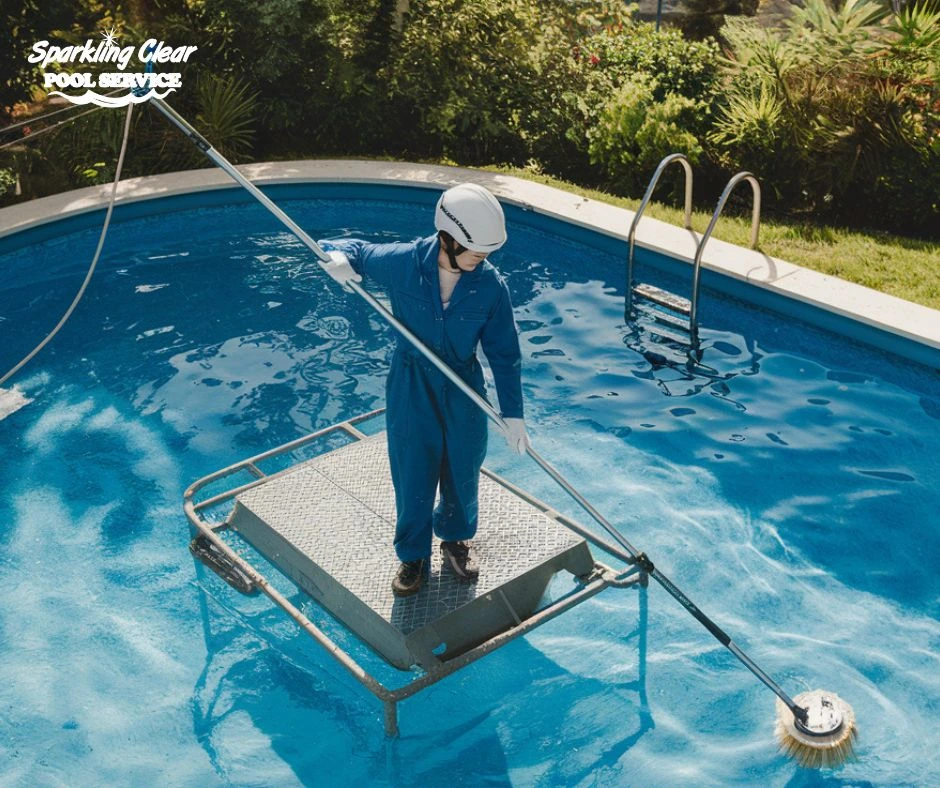
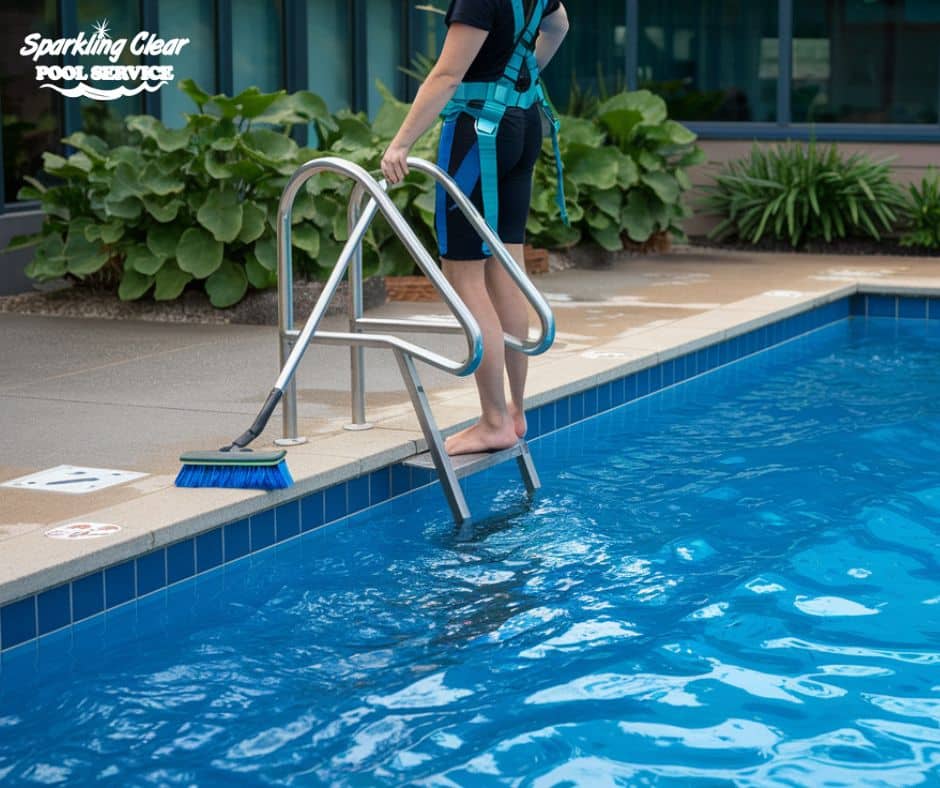
- Brush regularly. Weekly brushing stops algae and buildup from settling into the surface and dulling your finish.
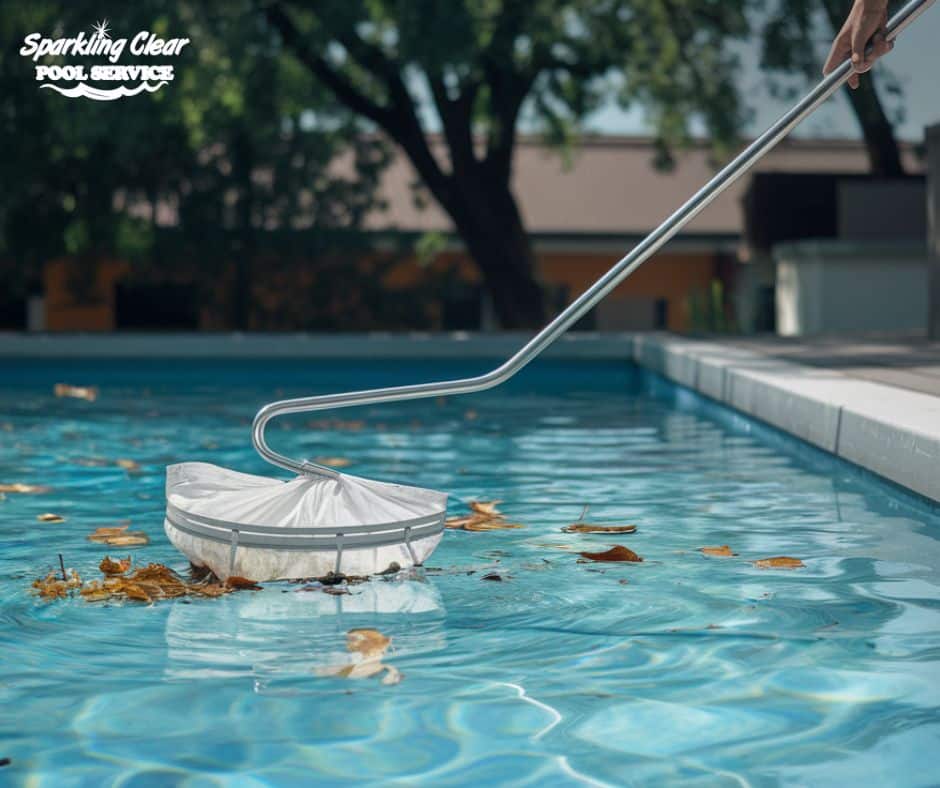
- Clear stains and algae early. If your pool has gone green or spotty, our green-to-clean service restores the water and surface before stains set in, and our tile cleaning keeps the waterline crisp.
Frequently Asked Questions
What is the best pool plaster finish?
It depends on your budget and the look you want. White plaster is the most affordable, quartz balances cost and durability, polished aggregate offers a luxury feel, and pebble finishes last the longest with a natural look.
How long does pool plaster last?
With good care, white plaster tends to last around 5 to 10 years, quartz roughly 10 to 12, and pebble finishes often 15 to 20 years. Balanced water and regular brushing extend the life of any finish.
How do I make my pool plaster last longer?
Keep your water chemistry balanced, brush the walls weekly, and stay on a consistent maintenance schedule. Unbalanced water is the biggest cause of staining and early wear, so steady upkeep protects your investment.
Who installs or resurfaces pool plaster?
A licensed pool builder or resurfacing contractor handles installing and resurfacing plaster. Once your finish is in, we keep it looking new with weekly maintenance and balanced chemistry.
Already have a plaster finish you want to protect? We keep pool surfaces smooth and stain-free across Allen and the surrounding North Texas area. Contact us or call (469) 884-4022 for a free estimate.